Medical Research Institute KITANO HOSPITAL, PIIF Tazuke-Kofukai
Inquiry
search
close


Departments
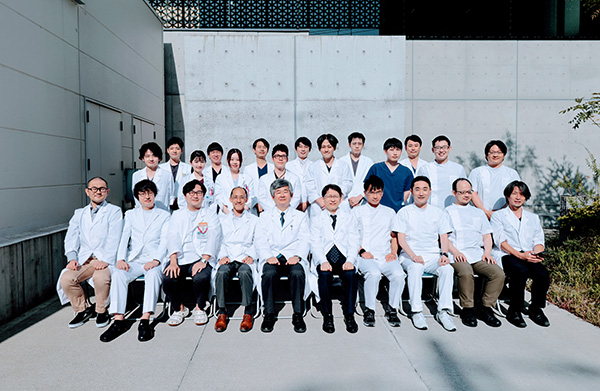
All members of the Neurological Center
Neurology is a medical specialty that treats diseases of the brain, spinal cord, peripheral nerves, and muscles medically (mainly with medication rather than surgery).
Specifically, symptoms include headaches, dizziness, mental fog, difficulty remembering or thinking, double vision, difficulty speaking, difficulty swallowing, difficulty moving or walking, involuntary movements of the limbs or body, and loss of sensation. Even with these symptoms, you may not initially know which medical department to visit. Neurology departments can examine the entire body, allowing them to perform a differential diagnosis to determine the underlying illness. They then diagnose the illness and select the most appropriate treatment. If your illness requires treatment or testing outside of neurology, we will refer you to the appropriate department for that illness. For example, if your bone or joint disease is present, you will be referred to an orthopedic surgeon; if surgery is required, you will be referred to a neurosurgeon; and if your condition is psychological or mental, you will be referred to a neuropsychiatrist. There are also cases where your illness requires treatment in an ophthalmology or otolaryngology department.
Neurological diseases can have a variety of underlying conditions, including vascular disorders, neurodegeneration, and autoimmunity, but at Kitano Hospital, the relevant departments work closely together to ensure that patients receive the appropriate treatment.
The main target diseases include cerebrovascular disorders, neurodegenerative diseases (such as Alzheimer's disease and other dementias, Parkinson's disease/syndrome, amyotrophic lateral sclerosis, and spinocerebellar degeneration), multiple sclerosis, neuromyelitis optica, myasthenia gravis, peripheral nerve diseases, muscle diseases, epilepsy, headaches, meningitis, encephalitis, spinal cord injuries, and neurological complications associated with internal medicine diseases.
As we enter a super-aging society, the number of patients with neurological disorders is rapidly increasing. Accurate clinical diagnosis is very important, as many diseases can be cured with the right treatment. On the other hand, there are many intractable neurological diseases that are difficult to cure even if diagnosed. However, accurate clinical diagnosis makes it possible to predict the progression of the disease and future symptoms, allowing for appropriate preparations for medical treatment and nursing care.
Our department works closely with patients' family doctors, and also collaborates with home medical care, rehabilitation facilities, and convalescent care facilities, striving to provide medical care that is sensitive to the patient's symptoms and the position of their family.
For cerebrovascular disorders, our hospital operates a Stroke Care Unit (SCU, a specialized intensive care unit for stroke) at the Stroke Center in cooperation with the Department of Neurosurgery, providing 24/7 medical care. In the hyperacute phase, thrombolytic therapy with tPA drugs and catheter-based thrombectomy are available. Furthermore, we intervene in rehabilitation from the acute phase and, in cooperation with the Cardiology Center's Arrhythmia Department, provide arrhythmia treatment to prevent recurrence in the chronic phase.
For Parkinson's disease and related disorders, we conduct various imaging tests to thoroughly evaluate the patient's condition and provide appropriate treatment. In addition to adjusting oral medications, we also offer surgical treatments such as deep brain stimulation and focused ultrasound therapy in collaboration with neurosurgery, and continuous enteral L-dopa therapy in collaboration with gastroenterology, allowing us to select treatment methods tailored to each patient's condition without limitations.
For diseases caused by immune abnormalities such as myasthenia gravis, neuromyelitis optica, and autoimmune encephalitis, in addition to medication with steroids and immunosuppressants, we also provide blood purification therapies such as plasma exchange in cooperation with the Blood Purification Center depending on the severity of the disease.
Neurologists certified by the Japanese Society of Neurology take turns attending the initial and follow-up outpatient clinics every day, treating the various disorders of the brain, spinal cord, peripheral nerves, and muscles mentioned above.We also have specialized outpatient clinics for Parkinson's disease and epilepsy.
Number of hospitalized patients in fiscal year 2023: 679
<Breakdown by disease>
| Disease name | Number of hospitalized patients |
|---|---|
| cerebrovascular disease | 231 |
| Dementia | 25 |
| Parkinson's disease and related disorders | 224 |
| Amyotrophic lateral sclerosis | 15 |
| Spinocerebellar degeneration/multiple system atrophy | 27 |
| myasthenia gravis | 23 |
| Multiple sclerosis/neuromyelitis optica | 17 |
| Meningitis/Encephalitis | 20 |
| epilepsy | 56 |
| Peripheral nerve disease | 36 |
| Muscle disease | 5 |
Yomiuri Health Lecture: "Learn more! Treatment for Parkinson's disease"
Held on November 23, 2016
Held on May 10, 2017
The event was co-hosted by Kyoto University and Kitano Hospital and focused on new treatments for tremors and Parkinson's disease. The entire event is available to the public, so please take a look.
For details of each lecture and lecturer, please seeLinked pagePlease check.


