Medical Research Institute KITANO HOSPITAL, PIIF Tazuke-Kofukai
Inquiry
search
close


Departments
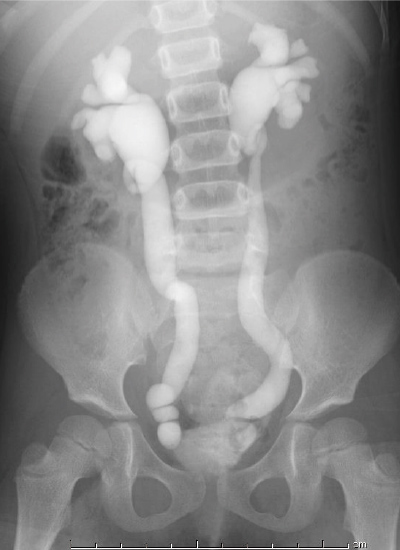
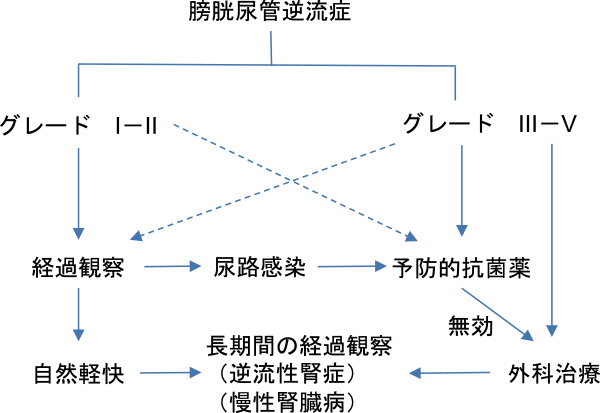
Urine is produced in the kidneys and stored in the bladder through tubes called ureters. Normally, urine is prevented from flowing backward from the bladder to the kidneys, but this is a phenomenon in which urine flows backward from the bladder to the kidneys due to some cause. In most cases, this condition is discovered due to a urinary tract infection (fever). Repeated urinary tract infections put the kidneys at risk of damage.
In infants, the condition may improve naturally as they grow.
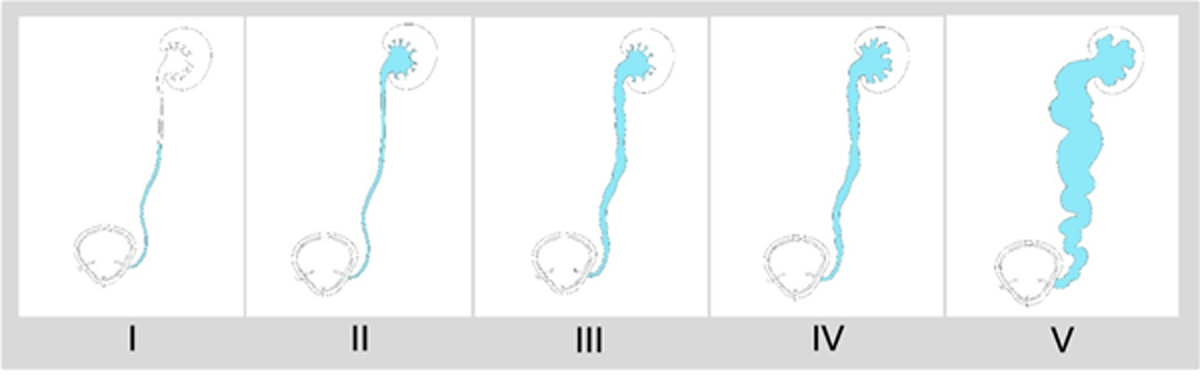
The degree of reflux is classified into grades I to V.
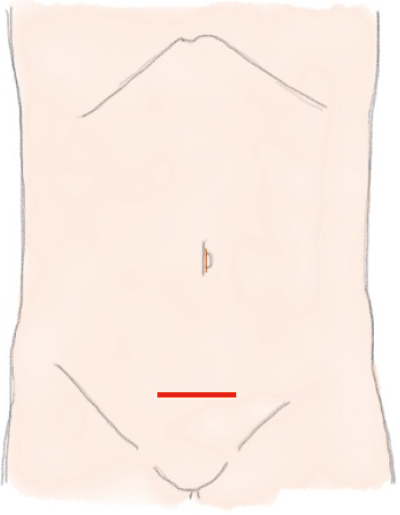
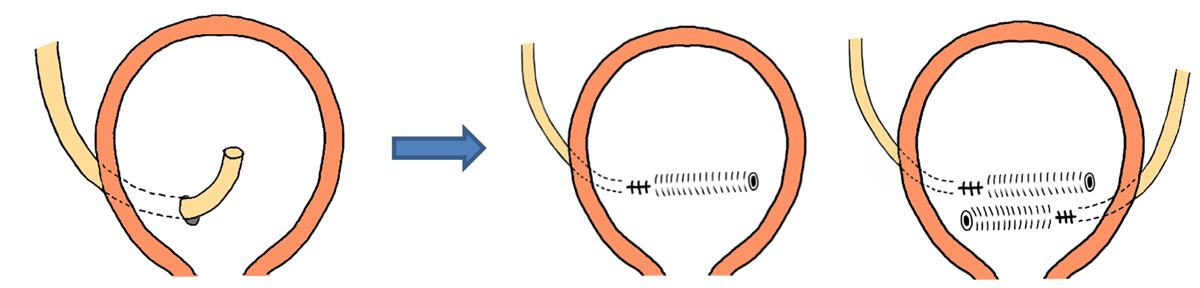
High rate of stopping reflux (over 90%)
There is no need for repeated voiding cystography after surgery.
Hurts in the body. Pain.
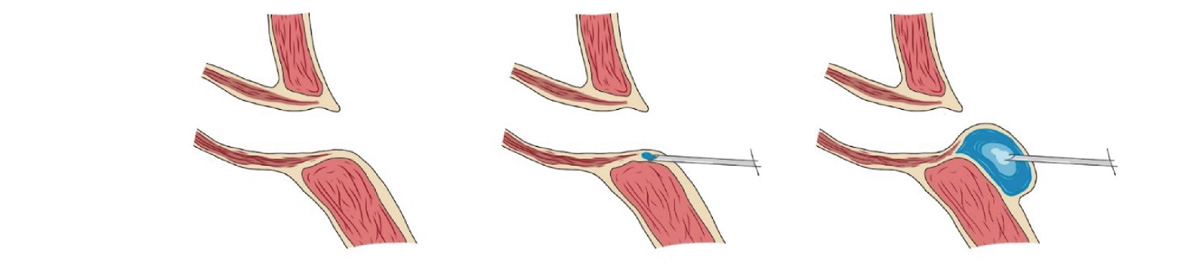
This treatment involves injecting hyaluronic acid under the mucosa at the opening of the ureter under cystoscopy to narrow the ureteral opening. It is suitable for grades II to IV vesicoureteral reflux.
Minimally invasive (no scarring, takes about 30 minutes)
Lower cure rate compared to open surgery Success rate 70%~90%
Even after treatment, reflux needs to be monitored with voiding cystography.
If reflux persists after treatment and infection occurs, further hyaluronic acid injections or open surgery will be required.