Medical Research Institute KITANO HOSPITAL, PIIF Tazuke-Kofukai
Inquiry
search
close


Departments
A tracheotomy is a procedure in which a hole is made in the trachea to allow air to enter the lungs and make it easier to suction phlegm. A tracheostomy tube is inserted into the incised trachea.
To perform artificial respiration, a tube must be inserted into the trachea through the mouth or nose. Having a tube inserted through the mouth or nose can be painful, so a tracheotomy may be performed.
If the narrowing of the glottis makes it difficult to breathe, it can be life-threatening and a tracheotomy may be necessary to save the patient's life.
If a patient is unable to cough up phlegm due to a decline in physical function or suffers from repeated aspiration pneumonia, proper suction of phlegm becomes necessary. In such cases, a tracheotomy may be performed to enable direct suction into the trachea. There are a variety of other reasons why a tracheotomy may be necessary.
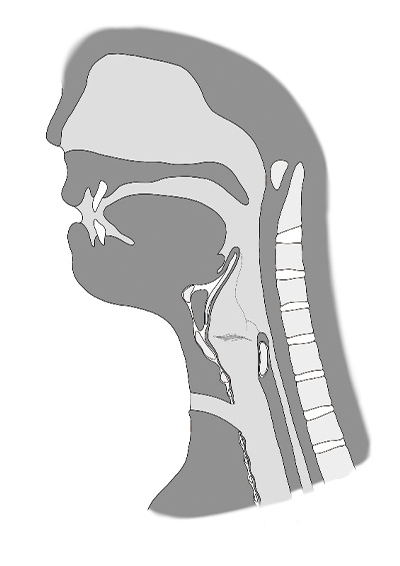
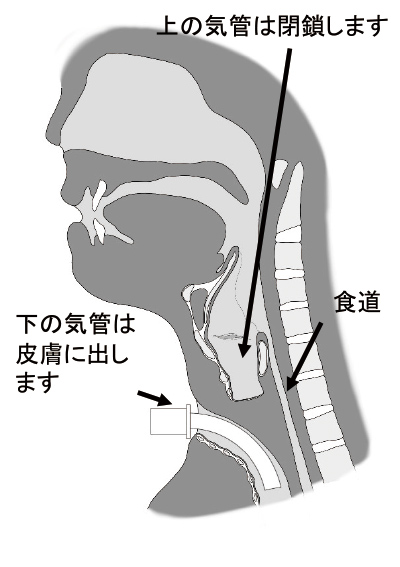
People with severe physical and mental disabilities often have impaired throat function and aspiration is a common occurrence. While gastroesophageal reflux surgery can prevent the aspiration of vomit, it cannot prevent the inflow of saliva. Furthermore, tracheotomy cannot completely prevent the inflow of saliva. Laryngotracheal separation surgery completely prevents saliva from flowing into the trachea. The trachea is severed, closing the upper trachea (mouth side). In addition, the lower trachea (lung side) is opened through the skin, similar to a tracheotomy, allowing breathing. This separates the inside of the mouth from the trachea, completely preventing aspiration.
Please feel free to contact us at any time with any questions or concerns you may have.


