Medical Research Institute KITANO HOSPITAL, PIIF Tazuke-Kofukai
Inquiry
search
close


Departments
This is a congenital condition in which the small intestine is not connected. It may be discovered after birth due to vomiting and abdominal distension, but in recent years it has become more common for fetal diagnosis to occur, and treatment plans must be drawn up before birth by obstetrics, neonatology, and pediatric surgery.
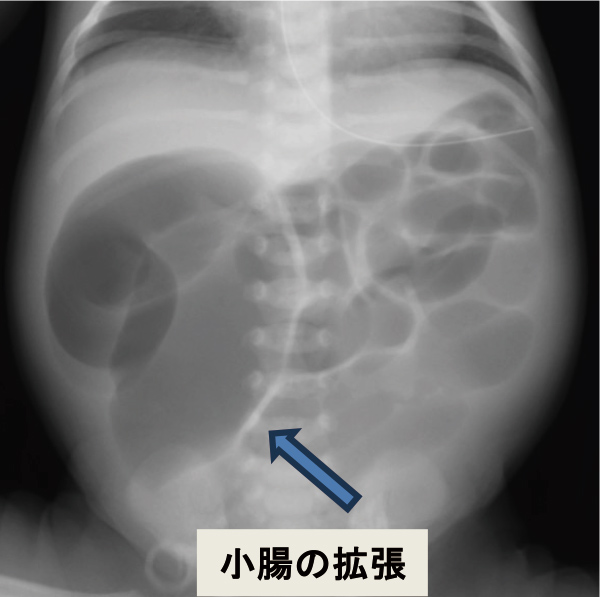
An abdominal X-ray will show that the small intestine is greatly dilated. If a colonography test also confirms that the large intestine is thin, the possibility becomes very high. However, a diagnosis cannot be made until the condition of the intestine is confirmed through surgery (the possibility of other diseases, such as Hirschsprung's disease, cannot be ruled out).
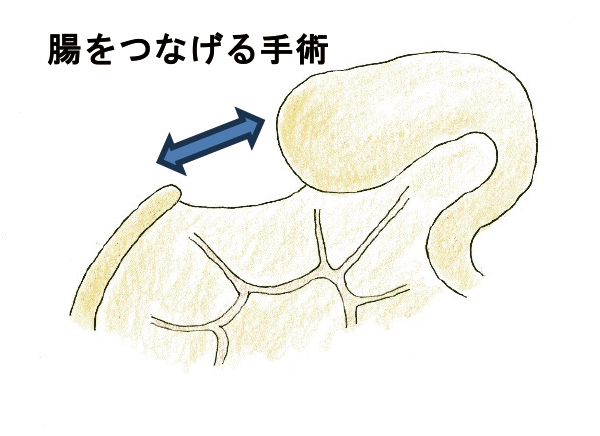
Because the small intestine is not connected, the baby cannot drink milk. Therefore, surgery to connect the intestines is required within a few days of birth. If there is a difference in size between the intestines on the oral side and the anal side, it may be difficult for blood to pass through the connected part after surgery.
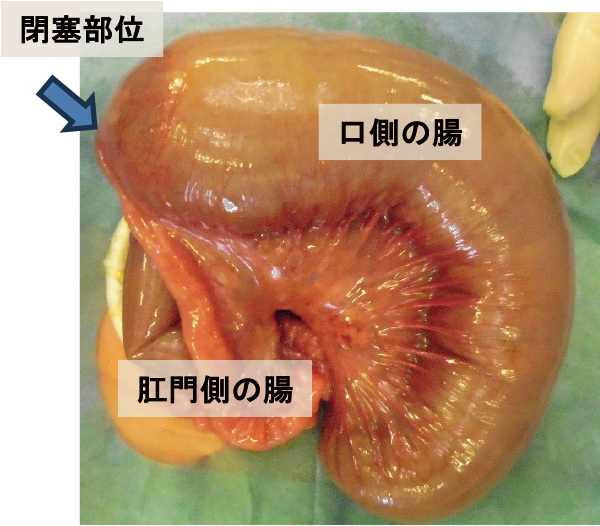
Once your bowels are functioning properly, you will usually be able to get by without any major problems.