Medical Research Institute KITANO HOSPITAL, PIIF Tazuke-Kofukai
Inquiry
search
close


Departments
Biliary atresia is a disease in which, for some reason, the bile ducts become fibrously blocked, preventing the flow of bile produced in the liver. This lack of bile flow damages the liver, leading to cirrhosis. It is diagnosed during neonatal and infant stages when the stool turns pale and the body turns yellow (jaundice). Surgery is required to improve bile flow. If jaundice does not resolve after surgery, or if the liver remains in poor condition even after jaundice has resolved, a liver transplant may be necessary. Early surgery increases the success rate, so early detection and treatment are crucial.
Compare the color of your stool with the stool color card in your maternal and child health handbook, and if you feel that the color of your stool is white, please visit a hospital as soon as possible.
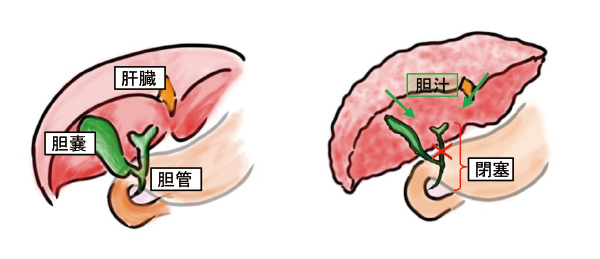
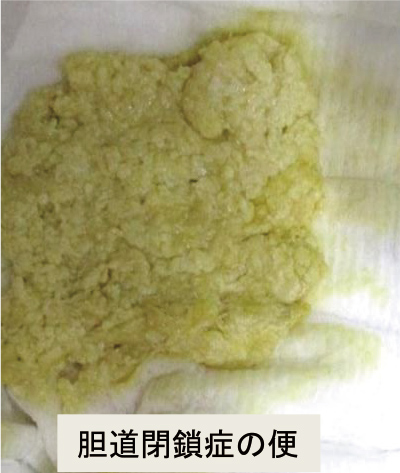
Generally, blood tests and ultrasounds are used. If these tests cannot completely rule out biliary atresia, surgery (exploratory laparotomy) is performed to examine the liver and bile ducts and make a final diagnosis.
Early surgery is extremely important, so delaying surgery is not recommended.
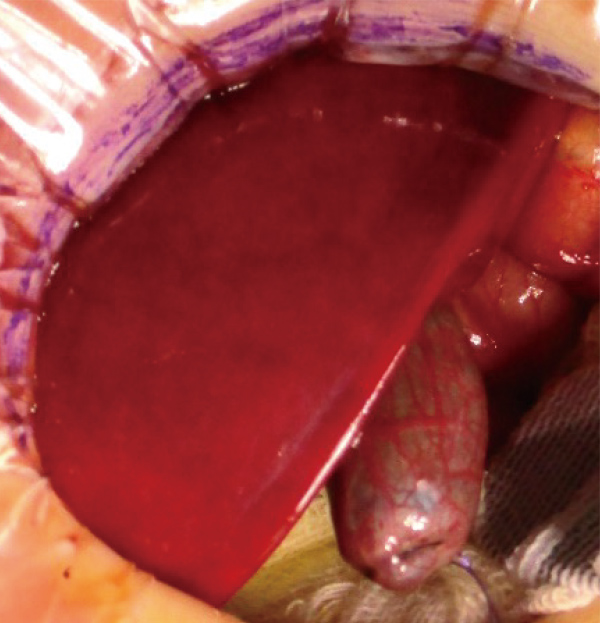
Normal liver
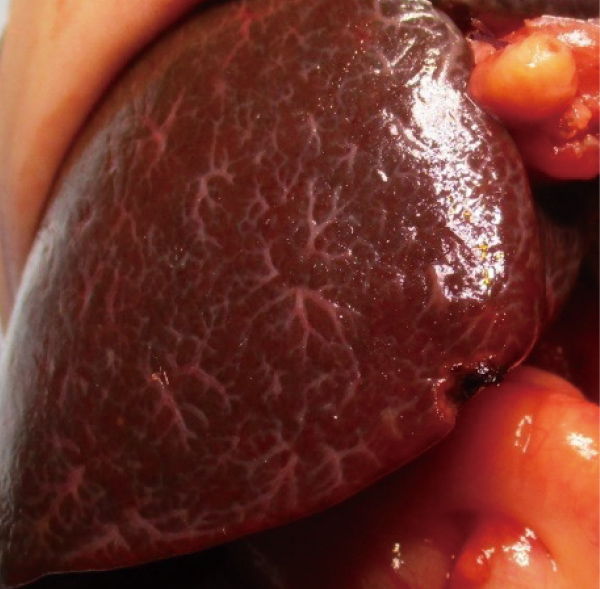
Liver in biliary atresia
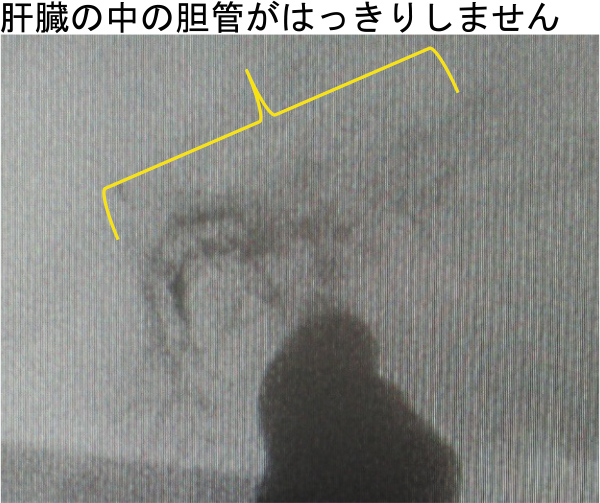
Cholangiography during surgery
Biliary atresia requires surgery. The fibrous obstruction of the extrahepatic bile duct and gallbladder is removed during surgery. The small intestine is then connected to the stump on the liver side, and reconstruction is performed so that bile leaking from the liver flows into the intestinal tract. In many cases, steroids are used after surgery to improve bile secretion.
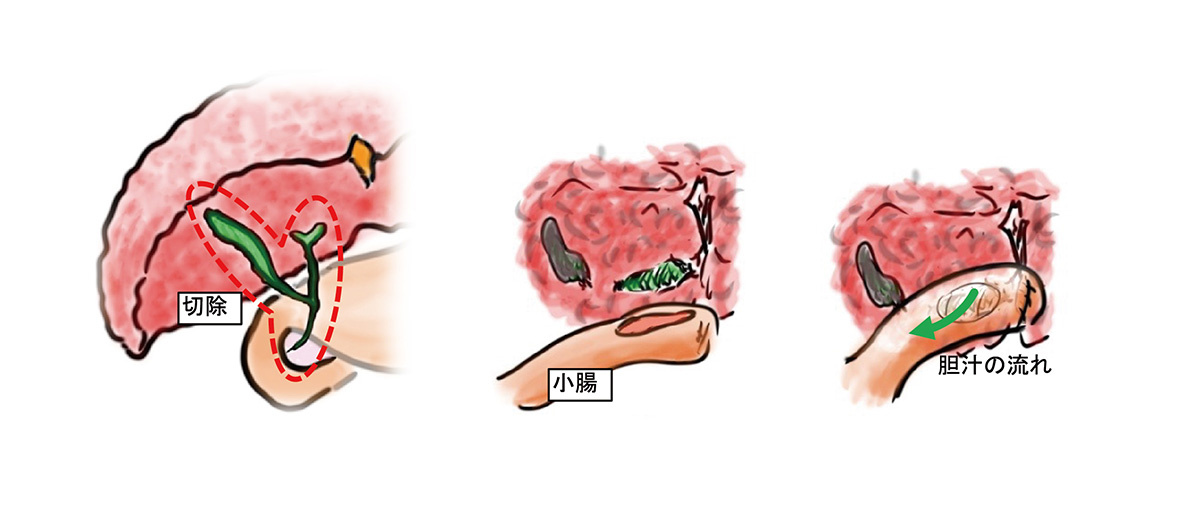
Surgery restores bile flow and eliminates jaundice in 60% to 70% of patients (early surgery has a higher success rate). However, if bile flow is not restored and jaundice persists, early liver transplantation is necessary.
Even if jaundice disappears, patients may experience recurrent cholangitis, or develop esophageal varices and other problems due to cirrhosis. Some patients may also experience liver problems as adults, requiring liver transplants, so lifelong follow-up is necessary.


