Medical Research Institute KITANO HOSPITAL, PIIF Tazuke-Kofukai
Inquiry
search
close


Departments
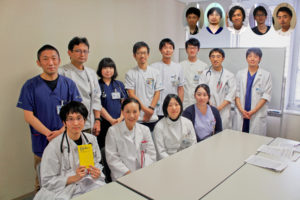
Infectious disease management is now one of the top risk management strategies in medical facilities. In the Department of Infectious Diseases, infectious disease instructors and specialists work closely with each department to actively support infectious disease treatment for infections that are difficult to diagnose and treat. The hospital's Infection Control Team (ICT), comprised of physicians from each department with expertise in infectious diseases, as well as nurses, pharmacists, and clinical laboratory technicians with various qualifications in infectious diseases and infection control, provides advice and guidance on hospital-wide infection control measures. In addition, to promote antibiotic stewardship, the Antimicrobial Stewardship Team (AST) supports the appropriate use of antibiotics and provides cooperation and support for infectious disease treatment and control at local medical facilities. Furthermore, utilizing medical information obtained from patients, we conduct research in the fields of immunology, microbiology, and epidemiology to diagnose, treat, and prevent infectious diseases.
Because infectious diseases are not limited to diseases of specific organs, we strive to provide cross-disciplinary medical care.We provide comprehensive management services related to the diagnosis, treatment, and prevention of various infectious diseases within the hospital, including central nervous system infections such as brain abscess and meningitis, bacteremia including central venous catheter-related bloodstream infections and infective endocarditis, respiratory infections such as pneumonia and empyema, intestinal infections and intra-abdominal infections associated with surgery, liver and biliary infections such as liver abscess and cholangitis, urinary tract infections, skin, soft tissue, and bone and joint infections, viral infections in general, and fever of unknown origin.
Our hospital has outpatients who visit and are admitted to the hospital for treatment of a variety of underlying diseases. During their hospitalization, patients undergo surgery, chemotherapy, and radiation therapy, and depending on their immune status, they may develop opportunistic infections that they would not normally suffer from, or infections caused by internal devices inserted as part of treatment. In order to ensure that outpatients and inpatients can receive medical care safely, the Department of Infectious Diseases strives to optimize the treatment of infections that occur within the hospital and to optimize the environment through AST activities.
With the cooperation of the Clinical Laboratory Department, the Infectious Diseases Department selects cases such as bacteremia and other severe infections, cases of positive bacterial tests from sterile specimens, other severe infections requiring broad-spectrum antibiotics, and cases of drug-resistant bacterial infections for which selecting a treatment is difficult, and provides advice, guidance, and medical care as necessary. Weekly conferences are held, where the infectious disease doctors, receiving information from the attending physicians and doctors in charge of each department, discuss treatment issues and policies related to infectious disease treatment. All staff members discuss the treatment content and confirm the policies before providing advice and guidance.
We receive consultations from various departments for various infectious diseases. In addition to providing advice on antibiotic selection and infectious diseases, we also provide consultations based on the patient's condition and test data, regardless of whether they are an inpatient or outpatient.
When we intervene in individual cases, we consider the pros and cons of administering prophylactic antibiotics and the appropriate choice of drugs. We then create and review specific protocols and manuals in collaboration with each department, taking into consideration domestic and international treatment guidelines, research into bacteria causing hospital-acquired infections, and trends in susceptibility, as well as evidence, for each case.
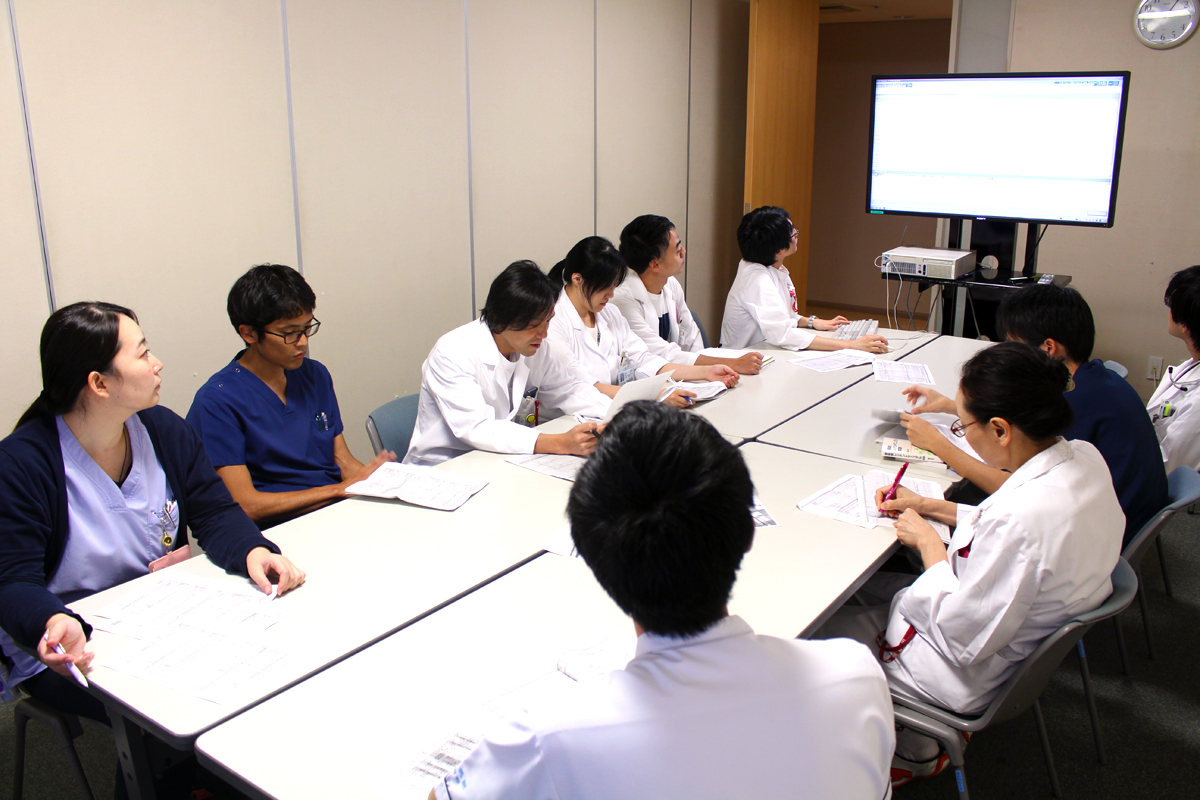
Each department treats infectious diseases specific to that department. However, for infections that cannot be identified by a specific department or that are difficult for each department to treat, when a consultation is requested, we provide guidance on treatment to the patient's primary or supervising physician and continue to follow up on the patient's progress, changes in treatment, and reviews of policies.
| Clinical department | Number of interventions | Clinical department | Number of interventions |
|---|---|---|---|
| Rheumatology and Collagen Diseases | 76 | ophthalmology | 13 |
| plastic surgery | 25 | Hematology | 315 |
| Respiratory internal medicine | 346 | respiratory surgery | 17 |
| Obstetrics and Gynecology | 26 | Pediatric Surgery | 14 |
| Otolaryngology/Head and Neck Surgery | 58 | Pediatrics | 87 |
| Gastrointestinal surgery | 257 | Gastroenterology | 221 |
| Cardiovascular Surgery | 19 | Cardiology | 152 |
| Neurosurgery | 74 | Neurology | 65 |
| Urology | 94 | Nephrology | 88 |
| orthopedic surgery | 78 | Diabetic endocrinology | 27 |
| breast surgery | 7 | dermatology | 15 |
| Neuropsychiatry | 0 | Medical Oncology | 13 |
| Emergency Department | 0 | Outpatient | 0 |
| total | 2,087 |


