Medical Research Institute KITANO HOSPITAL, PIIF Tazuke-Kofukai
Inquiry
search
close


Departments
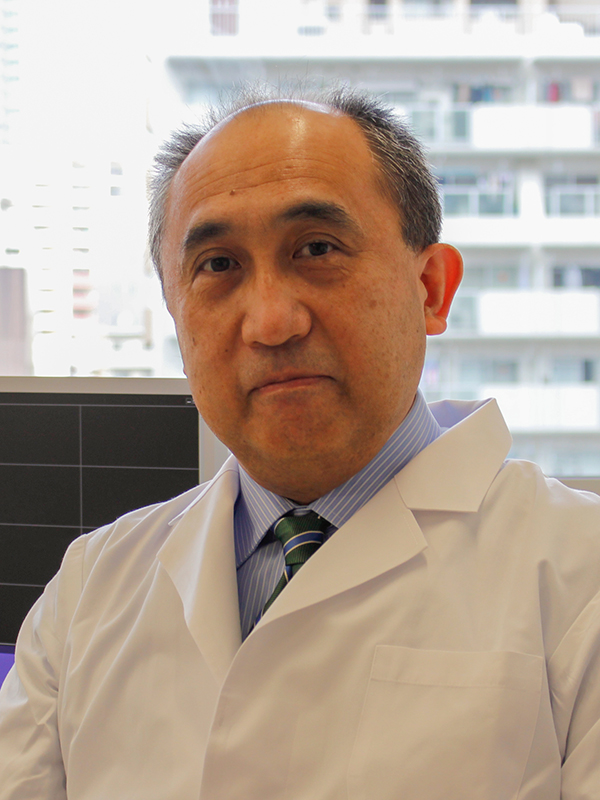
Chief of Oral and Maxillofacial Surgery
Masaru Takahashi
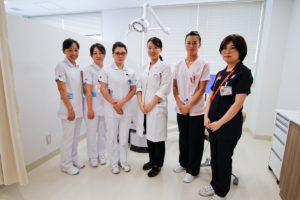
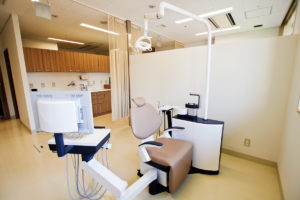
Taking advantage of the characteristics of oral surgery in a general hospital, we provide treatment in cooperation with other departments, focusing on trauma (fractures, mucosal damage, tooth luxation, etc.), infections, temporomandibular joint disorders, oral mucosal diseases, salivary gland diseases, cysts and tumors, and difficult tooth extractions such as wisdom teeth extractions, as well as extractions for patients with underlying illnesses.
We also provide perioperative oral function management for patients undergoing surgery under general anesthesia, chemotherapy, and head and neck radiation therapy. We treat or extract any teeth that may interfere with treatment before treatment begins, and provide follow-up care during treatment. We also prevent mucosal disorders and respond early if any problems occur. This is considered important in order to carry out scheduled treatment as planned, and is known to lead to earlier discharge from hospital.
Generally, we ask that you consult your family doctor for treatment of cavities and dentures, so please refer to the medical institution information search page (Osaka,Kyoto,Hyogo) etc.
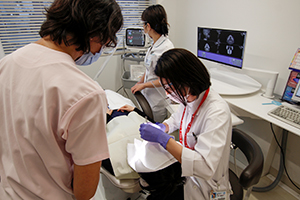
We are planning to conduct clinical trials for tooth regeneration treatment drugs for patients with congenital edentulism (although we have not yet begun clinical trials).Clinical trial plan announcementPlease see.
In Oral and Maxillofacial Surgery, 20232Starting in April, we opened a "Congenital Edentulous Outpatient Clinic" every Monday and Friday afternoon, and are working with doctors from core facilities such as dental schools at university hospitals across the country to register patients with congenital edentulism. With support from the government, our clinic has been collaborating with Tregem and Kyoto University Hospital in an industry-government-academia collaboration to research and develop a "tooth regrowth drug" as a new future treatment. We plan to begin the first clinical trial of a tooth regeneration drug, "tooth regrowth drug," in the fall of 2024. If you or a family member fit the following criteria, you may have congenital edentulism.15Even though they are 30 years old, they still have baby teeth. Even though their baby teeth have fallen out, their permanent teeth have not yet grown in.6Furthermore, tests can be performed to determine whether or not a child has congenitally missing teeth between the ages of 2 and 5, even before the permanent teeth have erupted. If you have any concerns about the above, please ask your doctor or visit the website for information on congenital edentulism.Specialized homepagePlease make use of the contact information provided.
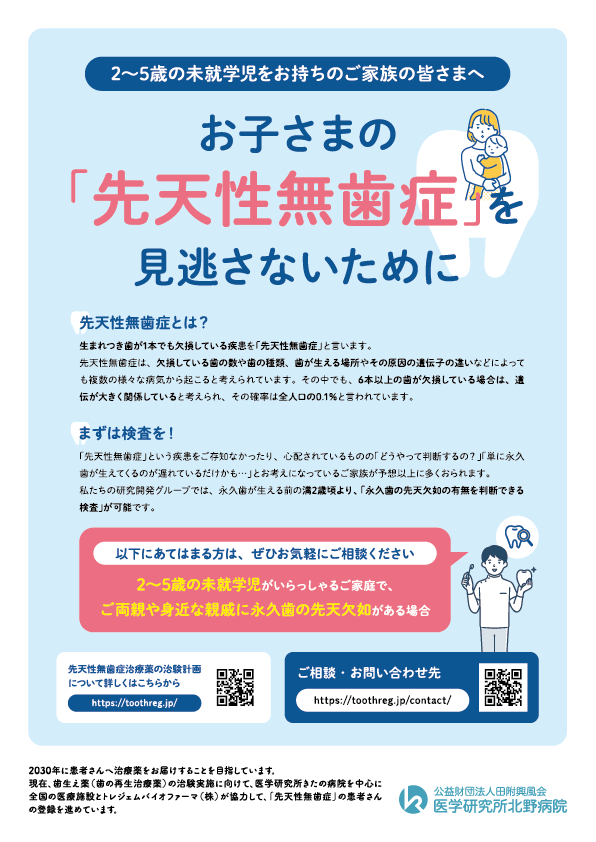 *Download the flyerHere


