Medical Research Institute KITANO HOSPITAL, PIIF Tazuke-Kofukai
Inquiry
search
close


As of May 1, 2009, most radiological images have been filmless.
As a result, we will stop producing film with some exceptions.
Therefore, as a general rule, image information provided by our hospital will be provided on CD.
Lung cancer has been increasing rapidly in recent years, becoming the leading cause of cancer death in men and the third leading cause in women. The incidence of lung cancer is particularly high among smokers. Lung cancer that cannot be detected on chest X-rays can sometimes be detected by chest CT scans. Cancer cells can also be found in sputum through sputum tests. Furthermore, some lung cancers can be detected by high blood tumor markers. Tobacco smoke can also irritate and destroy the bronchi. This condition is known as chronic obstructive pulmonary disease. Pulmonary function tests are important for diagnosing this condition. In order to detect and treat these diseases early, we have started a "lung checkup" program for people aged 40 and over.
Lung checkup
Chest CT scan
Sputum cytology
Pulmonary function tests
Tumor markers (CEA, CYFRA, ProGRP, NSE)
38,000 yen
If you are interested, please apply in advance by phone or other means.
The rehabilitation centerJanuary 9, 2009We have moved as follows:
| Until January 8th | Kitano Hospital Annex |
|
↓
|
|
| After January 9th | Kitano Hospital Main Building 4th Floor |
If you visit our rehabilitation center after January 9th,
Please go to the 4th floor of the main building.
Oxidative stress refers to a state in which the balance between oxidative and antioxidant reactions in the body is disrupted, resulting in oxidative reactions taking over. In today's stressful society, overwork, air pollution, ultraviolet rays, smoking, alcohol, overeating, and other factors can cause oxidative stress to accumulate in the body, leading to a decline in the body's antioxidant capacity. Accumulated oxidative stress in the body is said to be a cause of cancer, arteriosclerosis, lifestyle-related diseases, and aging. Therefore, by measuring oxidative stress and antioxidant capacity in the body and assessing their balance, it is possible to estimate the risk of lifestyle-related diseases and aging.
Oxidative stress checkup
◆Detailed set:
Blood and urine samples will be taken in advance (one month in advance) and a detailed analysis report will be provided.
52,500 yen
◆ Simple set:
Blood samples will be taken on the day to measure oxidative stress levels and antioxidant capacity.
8,400 yen
If you are interested, please apply in advance by phone or other means.
(Added November 2023) Please note that oxidative stress screening is currently not available at our hospital.
Starting Wednesday, October 1, 2008, we will be opening for consultations on Wednesdays in addition to the usual Tuesday and Friday afternoons.
Sleep apnea syndrome is a disease that causes symptoms such as snoring or apnea at night that are noticed by others, excessive daytime sleepiness, frequent waking at night, and a feeling of not having had a good night's sleep.If left untreated, it is known to cause serious illnesses such as high blood pressure, arrhythmia, stroke, and myocardial infarction.It is common in obese people and has also been pointed out to be related to metabolic syndrome.
For those undergoing an overnight medical checkup, a transcutaneous oxygen saturation monitor (pulse oximeter) will be worn at night to monitor hypoxemia and pulse rate, and screening for sleep apnea syndrome will be performed.
If sleep apnea is suspected, we can refer you to a respiratory medicine specialist for appropriate treatment.
Diagnosis fee included: 8,000 yen
If you would like to use this service, please inform the reception desk when you come for an overnight checkup.
As the causes and mechanisms of arrhythmias become more clear, all arrhythmias can now be cured by catheter ablation.
When performing this ablation, a major challenge in catheter ablation is how to accurately distinguish between normal areas and areas involved in arrhythmia within the beating heart and then treat them selectively.
However, a new piece of equipment called the Cult System has gone a long way in solving this problem.
This system does not use X-rays, but uses magnetic fields to display the position of the catheter inside the heart in three dimensions, and by simultaneously obtaining electrical information from inside the heart, it is possible to identify the area related to arrhythmia down to the millimeter.It is no exaggeration to say that this system has dramatically increased the number of arrhythmias that can be treated with catheter ablation.
The new Cult system introduced at our hospital is a more advanced version that can directly import the patient's CT images, allowing accurate cardiac information for each patient to be used during treatment. Furthermore, for the first time, it has been approved for use in guiding therapeutic catheters, making it possible to directly treat the area related to arrhythmia.
This will enable us to treat arrhythmias such as atrial fibrillation and premature ventricular contractions, which are a daily problem for patients at our hospital, and will also make catheter ablation a treatment option for severe arrhythmias caused by more complex causes.
*We have been providing medical care since April 25, 2008.
>> Certificate of Appreciation Presentation Ceremony (April 18, 2008, Kitano Hospital, Kitano Hall)
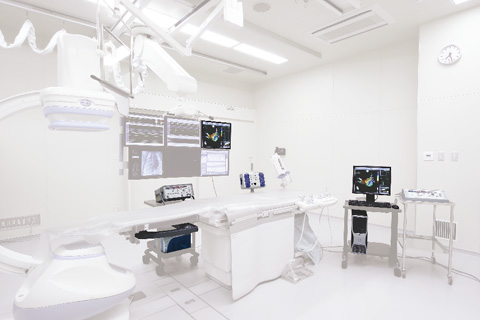 Figure 1: Photograph of the entire system
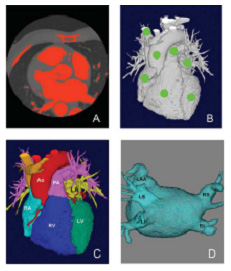
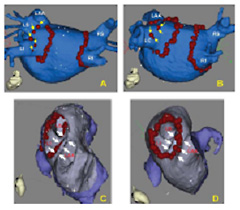 Figure 3: The extracted left atrial image was captured and treatment for atrial fibrillation was performed accordingly.
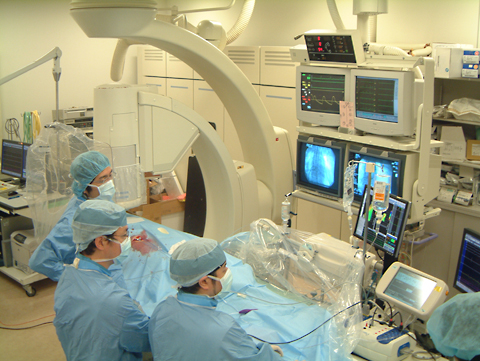
In rheumatoid arthritis (RA), inflammatory molecules such as TNF-α and IL-6 play an important role in bone destruction.
Drugs that specifically suppress the effects of these molecules have been developed and are attracting attention as new drugs for rheumatism.
Anti-TNF-α drugs currently in use include the anti-TNF-α chimeric antibody infliximab (trade name: Remicade), its humanized antibody adalimumab (trade name: Humira), and the TNF receptor drug etanercept (trade name: Enbrel).
Additionally, tocilizumab (trade name: Actemra) has been available as an anti-IL-6 agent since fiscal year 2008.
These new drugs are used for RA patients whose condition cannot be controlled with conventional anti-rheumatic drugs, and are highly effective, with an efficacy rate of 80% to 90%.
It is now believed that if these agents are used earlier, treatment may be discontinued in the future.
These new anti-rheumatic drugs (anti-TNF-α drugs and anti-IL-6 drugs) have an excellent clinical effect in halting the progression of rheumatoid arthritis, but because TNF-α and IL-6 are substances that originally play an important role in the body's defense response, their use naturally weakens the immune system and reduces resistance to infection. Reported side effects include respiratory infections including pneumonia, particularly recurrence and recurrence of pulmonary tuberculosis, Pneumocystis carinii pneumonia, interstitial pneumonia, and sepsis.
These serious side effects were reported in newspapers last year, and elderly people in particular need to be careful of these side effects.
I'm sure that newspaper reports have caused concern to patients who are actually using the product.
Although the frequency of side effects reported in the media is not actually that high, it is still a drug that should be used with due caution to avoid side effects.
As of February 1, 2007, we have been certified as a mammography (breast X-ray) screening facility by the Kitano Hospital Mammography Screening System Management Central Committee.
As a result, the hospital has also been registered as a medical institution for breast cancer screening in Osaka City.
Please consider getting a checkup to detect breast cancer early.
Our hospital will begin treatment (urology) using an extracorporeal shock wave lithotripsy device from October 1, 2006.
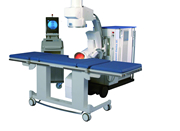
ESWL is a treatment that focuses shock waves from an external device onto urinary stones to break them up.
The Dornier Delta II is Dornier Medtec's latest crushing device and has excellent stone crushing effects.
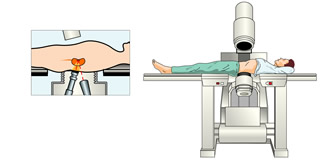
Patients will receive shockwave therapy while lying face up on a bed for approximately 30 minutes to an hour.
The procedure is performed without anesthesia, so if you have no other illnesses besides urinary stones and are in good health, the treatment can be done on an outpatient basis.
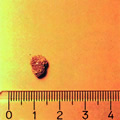
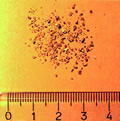
For more details, please consult your doctor during your consultation.
Maternity yoga classes have started.
1st to 4th Thursdays 10:30 AM to 11:30 AM
Starting in May 2006, the start time will be 10:30.
We are closed on the first Thursday of May.
5F Conference Room 1
¥1,500 (reservation required: ticket)
Gymnastics clothes, long pants, bare feet or five-toe socks
Be genuinely in tune with your body and your emotions
Enjoy every day of your pregnancy in comfort
Why not think about what makes a good birth and a good child?
If you wish to attend, reservations can be made in Block C.
November 2005
Kitano Hospital Obstetrics and Gynecology Department
Yasuko Kusada


